
You know you’re a print geek when … you learn all about the powder coating process and you can relate it to digital printing. Yeah – I wish I made that up, but alas, as I began to learn and write about the powder coating process, literally the only thing that came to mind was how it’s so incredibly similar to electrostatic printing.
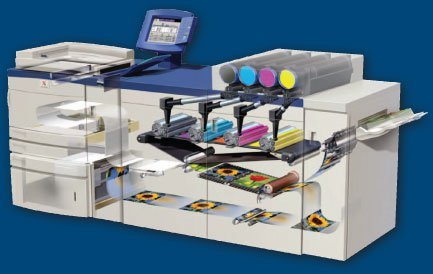
There are a few different set-ups that common copiers and digital presses come in, but one of the most common involves toner and a little electrostatic charge. Xenograpy is the technical term that most copiers and digital presses relate to.
With xerographic printers, an image is formed by first applying a charge to a metal cylinder called a drum, and then discharging the electricity in non-image areas so the image area on the drum will attract toner particles. These charged particles are then transferred to the substrate and passed through a fuser to melt the toner onto the medium.
The beauty of this technology is that every single sheet that passes through the printer can be completely unique. Change a word, an image, or the whole shebang!
What sort of design considerations should you think about when printing digitally?
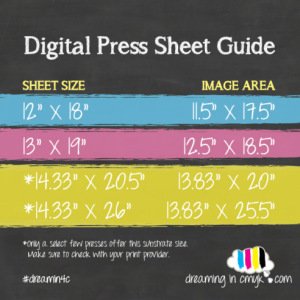
- Sheet size and image size are critical elements. Each press offers its own unique sheet size – make sure to consult with your print service provider before designing a piece specifically designed for digital production. Then, don’t forget to subtract at least 1/2″ from the overall sheet size to get your image area dimensions.
- Fifty Shades of Grey – it’s the worst problem to have. Greys made up of CMYK tend to lean more one way than another (i.e. SUPER magenta grey vs a cyany grey). I always recommend utilizing just black values when producing a grey with digital production.
- Solid blocks of color can also prove to be challenging in digital production. “Banding” can occur with high coverage on a digital press, and they almost always tend to be more prominent with certain colors. For example, you might not see a whole lot of banding when you are making magentas, yellows, oranges or reds, but try your hand at a purple – and you can see the banding from a mile away. Check with your print provider to see if they have any cautionary tips about how their particular press runs.
From the blog http://dreamingincmyk.com/